
US Coast Guard Aids Filipino Sailor After Ayungin Incident
AI-assisted original article by One News Desk, based on reporting from Philstar.com. Featured image credited to the source.
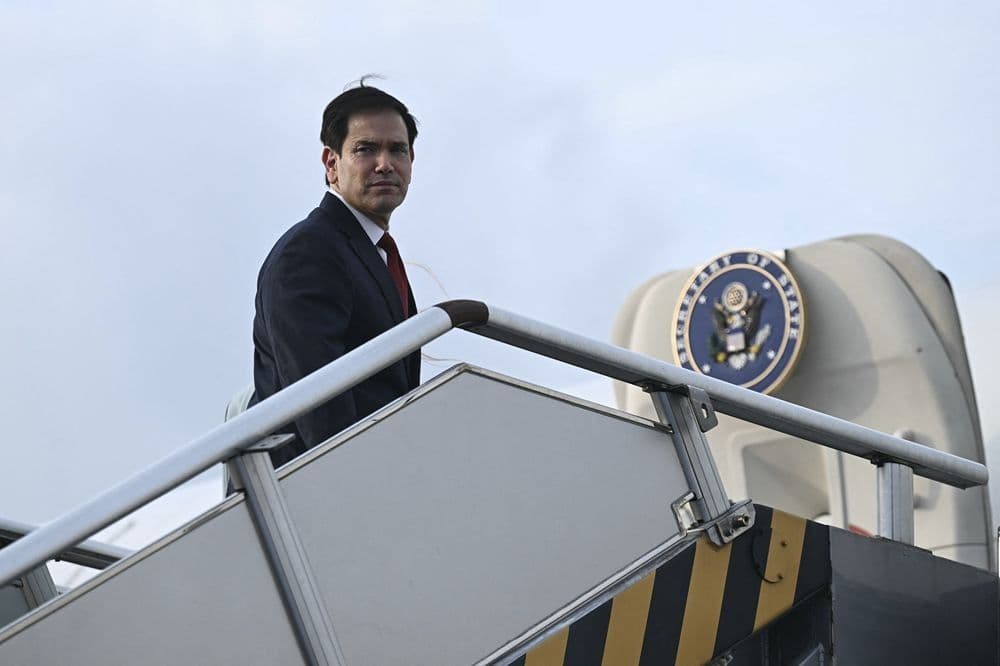
A United States Coast Guard vessel played a crucial role in the rescue of a Filipino sailor who was injured during an altercation with Chinese coast guard personnel at Ayungin Shoal. This incident occurred on Monday, and was confirmed by US Secretary of State Marco Rubio during a media interview on July 23, held on the sidelines of the ASEAN foreign ministers' meeting in Manila.
Rubio stated that the presence of the US Coast Guard vessel was instrumental in the rescue operation, allowing the injured sailor to receive medical attention. He emphasized that the US would uphold its mutual defense commitments to the Philippines, asserting that Washington would not abandon its allies in the region.
The incident unfolded when a Chinese coast guard vessel approached the BRP Sierra Madre, a grounded Navy ship, and began taking photographs and videos. In response, two rubber boats from the Armed Forces of the Philippines (AFP) attempted to drive the Chinese vessel away. During this confrontation, a Chinese crew member struck a Filipino Navy serviceman on the head with a wooden baton, resulting in injury and damage to one of the AFP boats.
China's coast guard has claimed that the Filipino side was the aggressor in this situation. However, the National Task Force for the West Philippine Sea has rejected these assertions as misleading, citing previous instances of Chinese aggression in the area, including a notable incident on June 17.
The injury sustained by the Filipino sailor marks a significant escalation in the ongoing maritime tensions at Ayungin Shoal, where previous confrontations have resulted in injuries from water cannon blasts and a 2024 incident that led to a Navy serviceman losing his thumb. This latest clash disrupts a period of relative calm that had been maintained since a provisional arrangement was reached between the two nations in 2024.
Rubio described the incident as "disturbing," reiterating the US commitment to its defense treaty with the Philippines. He acknowledged the necessity of maintaining a relationship with China but emphasized that this would not come at the expense of US allies in the region.
In a related development, US President Donald Trump assured Philippine President Ferdinand Marcos Jr. during a phone call that he would address Manila's concerns directly with Chinese President Xi Jinping. This conversation took place shortly after Marcos briefed Rubio on the incident.
The two leaders are expected to meet when Xi visits the US in September, providing an opportunity for further discussions on these pressing issues. Meanwhile, maritime tensions continue to escalate, as evidenced by another recent encounter where a Chinese coast guard vessel reportedly fired a water cannon at a Philippine fisheries vessel near Scarborough Shoal, although no injuries were reported in that incident.
As the situation develops, the Philippines remains vigilant in its maritime operations, and the involvement of the US Coast Guard underscores the ongoing commitment of the United States to support its allies in the region. The complexities of these maritime disputes highlight the delicate balance of power in the South China Sea and the importance of diplomatic engagement to resolve conflicts.