
Philippine Peso Hits New Low Amid Global Oil Price Surge and Tariff Increases
AI-assisted original article by One News Desk, based on reporting from GMA News Online. Featured image credited to the source.
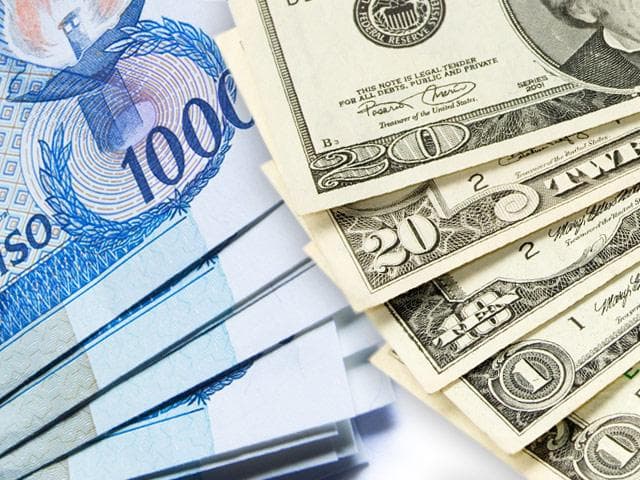
The Philippine peso has further depreciated against the US dollar, reaching a new record intraday low of P61.845:$1 on Friday morning. This decline follows a significant rise in global oil prices and the imposition of new tariffs by the United States on Philippine exports. The local currency opened the trading day at P61.8:$1, marking a drop from Thursday’s closing value of P61.75:$1, which was already a record low.
The peso's decline was exacerbated by a surge in oil prices, which have climbed back above $100 per barrel for the first time since May. This increase was triggered by recent attacks on Saudi oil tankers by Yemen’s Houthis in the Red Sea, escalating tensions in the Middle East and affecting global oil supply chains. The renewed conflict has raised concerns about potential disruptions in oil shipments, further impacting the peso's value.
In addition to the rising oil prices, the peso's depreciation is also linked to the United States' decision to impose a 12.5% tariff on Philippine exports. This tariff increase was enacted due to the Philippines' alleged failure to enforce a ban on imports produced with forced labor. Previously, Philippine exports were subjected to a 10% tariff, which had been in effect since February. The new tariff is expected to further strain the country's export sector, compounding the peso's challenges.
Fitch Solutions' BMI unit has indicated that the peso is likely to remain under pressure in the near term, predicting it will trade within the P61-P63:$1 range. The firm attributes this outlook to the ongoing escalation of the Middle East conflict, the strengthening of the US dollar, and the seasonal peak in import demand. These factors are expected to contribute to a widening trade deficit, as higher global energy prices will increase the import bill for the Philippines.
Recent economic data has already begun to reflect the impact of these developments, with analysts warning that the peso's continued weakness could have broader implications for inflation and economic stability. The rising cost of imports, particularly energy, is likely to exert upward pressure on inflation, which could affect consumer prices across various sectors.
As the peso continues to slide, market analysts are closely monitoring the situation for any signs of stabilization. The Bangko Sentral ng Pilipinas (BSP) has previously intervened in the foreign exchange market to support the peso, but the effectiveness of such measures may be limited in the face of persistent external pressures.
In the coming days, traders will likely keep a close eye on developments in the Middle East, as well as any potential responses from the Philippine government regarding the new tariffs. The peso's trajectory will depend heavily on global oil price movements and the overall strength of the US dollar, which has been bolstered by recent economic data and Federal Reserve policy expectations. As the situation evolves, the peso's performance will be a key indicator of the broader economic landscape in the Philippines.