DOST's Solidum: Resilience is about helping people thrive, not just survive
AI-assisted original article by One News Desk, based on reporting from GMA News Online. Featured image credited to the source.
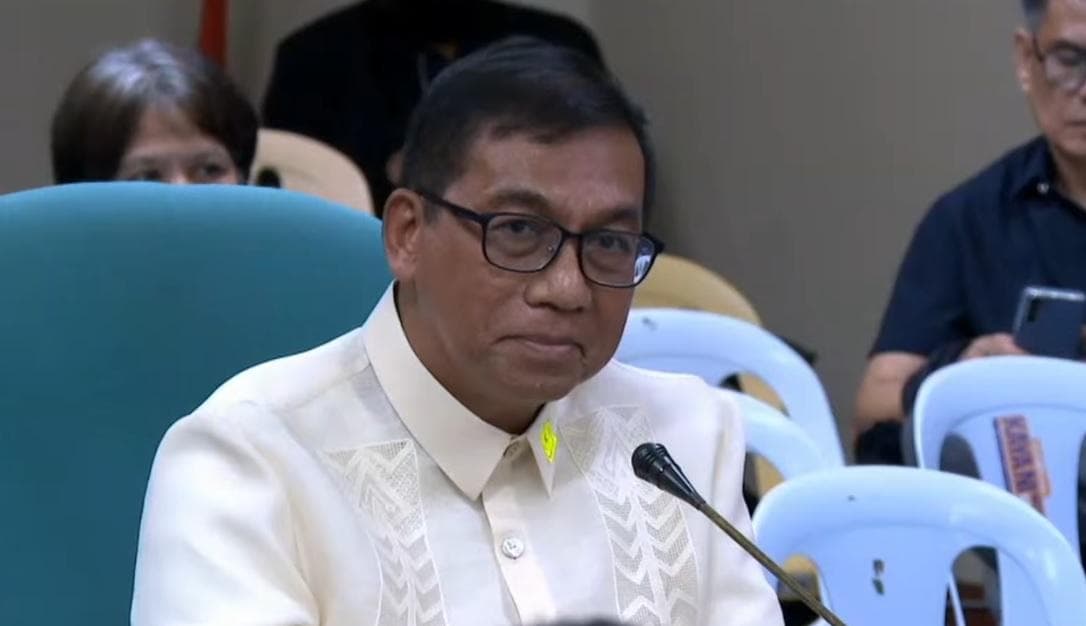
MAMBAJAO, Camiguin—The concept of resilience extends beyond mere survival in the face of disasters, according to Renato Solidum Jr., Secretary of the Department of Science and Technology (DOST). Speaking at the Northern Mindanao Regional Science, Technology, and Innovation Week (RSTW), Solidum emphasized that true resilience involves creating conditions that allow communities to thrive, not just endure.
During his lecture on the geological history and volcanic landscape of Camiguin Island, Solidum articulated a vision for resilience that encompasses proactive measures to mitigate risks before disasters strike. He stated, "Resilience is not simply about survival but creating a condition for Filipino people to thrive." This perspective underscores the importance of transforming resilience from a theoretical concept into tangible actions that can be implemented in communities.
To foster stronger and more resilient communities, Solidum outlined several operational goals. He stressed the necessity of reducing risks associated with natural hazards, which includes fortifying buildings and infrastructure. Following a significant earthquake that struck offshore Maasim, Sarangani, on June 8, he urged local government units to disseminate information on earthquake-resistant construction designs and to promote awareness among students about disaster preparedness.
Solidum identified effective preparedness as a second operational goal, aimed at minimizing fatalities and injuries during disasters. He also highlighted the importance of efficient recovery measures to ensure communities can bounce back after a crisis. He remarked, "Hazards are natural, disasters are not. Disasters are not a consequence of not preparing," reinforcing the idea that proactive measures can significantly reduce the impact of disasters.
In his address, Solidum acknowledged that risks from disasters are an inherent part of living in a geologically active region like Camiguin. He stated, "Living on an island shaped by volcanic activity reminds us that resilience does not mean eliminating risk. Risk will always exist. Resilience means understanding those risks, preparing for them, and making better decisions before hazards become disasters." This approach calls for a shift in mindset towards viewing resilience as a continuous process of preparation and adaptation.
Solidum also discussed the role of technology in enhancing resilience. He noted that technology is most valuable when it contributes to improving people's lives, whether by increasing agricultural productivity, enabling entrepreneurs to access new markets, or providing better services from local governments. He emphasized that technology should empower young Filipinos with opportunities to learn and innovate, ultimately leading to a more resilient society.
The DOST's initiatives are part of a broader effort to raise awareness about disaster preparedness and community safety, as highlighted during the National Resilience Month observed under Executive Order No. 29. The Northern Mindanao RSTW, which runs from July 22 to 24, focuses on themes of food security, sustainable energy, and national resilience, showcasing DOST's commitment to these critical issues in Camiguin.
As the RSTW progresses, Solidum's vision for resilience will continue to guide discussions and initiatives aimed at equipping communities with the knowledge and tools necessary to thrive in the face of adversity. By fostering a culture of preparedness and innovation, the DOST aims to create a future where Filipinos can not only survive disasters but also flourish despite them.